
What is Ulex AE
ULEX_AE
Proposes the valorization of gorse (Ulex spp.) for utilization as:
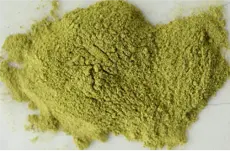
Plant-based meal for animal feed
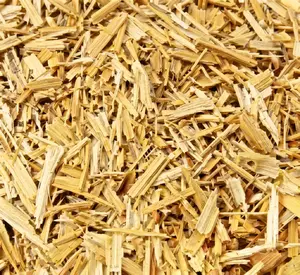
Wood chips as an energy resource
It links territorial cooperation, innovation, and scientific knowledge to achieve a forest that is more efficient, profitable, and sustainable, better adapted to climate change, and capable of generating economic, environmental, and social value.
Main objective of ULES_AE
Develop an innovative and sustainable solution for forest biomass management in Galicia and the Cantabrian coast through the comprehensive valorization of gorse.
Under a circular economy approach, ULEX_AE proposes converting this resource into high-value-added products, generating new economic and environmental opportunities. To this end, it will develop and validate an innovative system that will make it possible to obtain two main products: animal feed meal and wood chips for energy use.
What are we going to do?
Identify potential exploitation areas
Select and map the zones with the highest broom (Ulex spp.) density suitable for selective biomass collection.
Design extraction, drying and separation systems for the different broom fractions
Develop the unit processes needed to harvest and process raw material into quality industrial-grade meal and wood chips.
Animal feed formulation using broom meal
Determine the optimal inclusion ratios in animal rations to produce a safe, nutritious product that meets livestock farm requirements on Spain’s north-west coast.
Develop a genetic traceability system selecting seed lots with greater fire resistance
Establish protocols linking the genetic origin of each crop lot to its traits of interest and facilitating the selection of fire-resistant genotypes.
Life-cycle assessment and carbon footprint of end products
Verify through LCA (Life Cycle Assessment) comparison procedures that ULEX_AE formulas deliver an environmental advantage over other market solutions.
Develop a software application for control process
Create a digital platform to register, analyze, and present at-a-glance data from each stage: exploitation sites, production runs, quality metrics, carbon footprint, and commercialization figures.
Study the project’s economic viability
Outline costs and returns demonstrating that ULEX_AE can operate profitably.
Expected impacts
Fire prevention
Reduction of plant fuel in Galician woodlands, reducing the risk and scale of wildfires.
Soil restoration
Improvement of the soil's physical and biological properties through balanced vegetation management.
Introduction of legume as a feed supplement
Gorse meal is integrated into livestock feed, providing a sustainable nutritional supplement.
Promotion of rural economic activity
New sources of income for agricultural and livestock farms in the northwest of the Iberian Peninsula.
Population retention and woodland preservation
Motivation to keep the population in rural areas and preserve woodland landscapes and their surroundings.
Entities
Participating entities






Collaborating entities


Financing
This Operational Group, as the body responsible for the content, has received funding for the preparation and implementation of innovation projects of general interest by supra-regional operational groups of the European Innovation Partnership for Agricultural Productivity and Sustainability (EIP-Agri), within the framework of the Spanish CAP Strategic Plan (PEPAC); co-financed 80% by the European Agricultural Fund for Rural Development (EAFRD) and 20% by the Spanish Ministry of Agriculture, Fisheries and Food. The total amount of the funding is €596,769.91 and the project budget is also €596,769.91.